
Minnesota residents protected by strict state laws against robocalls without consent. Document unwanted calls with details for reporting to companies or authorities. Consult a robocall attorney in Minnesota for permanent solutions and legal action against persistent violators.
In Minnesota, robocalls have become an increasingly prevalent nuisance. Understanding your rights under state laws and knowing how to protect yourself is crucial. This comprehensive guide walks Minnesotans through every step of reporting robocalls, from identifying and documenting unwanted calls to seeking legal action with the help of a robocall attorney in Minnesota. By following these steps, you can reclaim control over your phone lines and find relief from intrusive automated messages.
Understanding Robocalls in Minnesota: Laws and Protections

In Minnesota, robocalls are regulated by state laws designed to protect residents from unwanted and fraudulent automated calls. Understanding these laws is crucial for anyone looking to report or take action against robocallers. A robocall attorney in Minnesota can provide valuable guidance on how to navigate these regulations.
Minnesota Statute 325F.37 outlines the rules for automated telemarketing calls, commonly known as robocalls. It prohibits companies from using automated dialing systems to make prerecorded or artificial messages without prior express consent from the recipient. This law gives Minnesotans substantial rights, including the ability to block future calls and seek legal remedies against violators. A robocall attorney can help residents exercise these rights effectively.
Identifying and Documenting Unwanted Calls
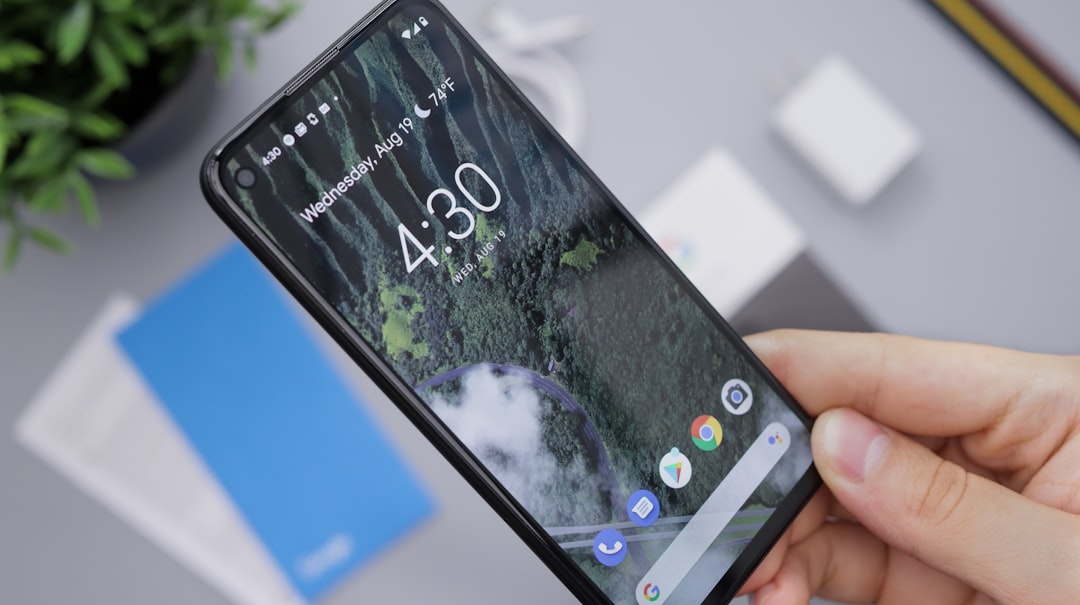
Identifying and documenting unwanted calls is the first step in reporting robocalls effectively. If you receive a call from an unknown number or a pre-recorded message, it's likely a robocall. Pay close attention to the caller's information, including the phone number, time of day, and any distinct features of the call. Note down these details for future reference.
To document the call accurately, consider using a call recording app or taking notes during the conversation. Save all relevant texts and voicemails related to the robocall. If possible, get screen shots of any pop-up notifications or text messages from suspicious sources. This information can be invaluable when you decide to file a complaint with your local robocall attorney in Minnesota or take further legal action.
Reporting Robocalls to Relevant Authorities

If you've received a robocall in Minnesota, reporting it is an important step to combat this growing issue. The first course of action is to identify the caller and gather relevant information. Note down the phone number, the time and date of the call, and any details about the message or interaction. If the call originated from a known company or organization, you can report it directly to them, as many businesses have mechanisms in place to handle such complaints.
For unknown callers or in cases where the calls persist despite your efforts, contacting local law enforcement or the Minnesota Attorney General's Office is recommended. You can file a complaint online or over the phone, providing all the details you've recorded. Additionally, reporting robocalls to these authorities helps build a case for stricter regulations and can assist a robocall attorney Minnesota in pursuing legal action against culprits behind these nuisance calls.
Legal Action: Seeking Relief as a Minnesota Resident

If you're a Minnesota resident tired of receiving unwanted robocalls, there's legal action you can take. While blocking numbers offers temporary relief, seeking help from a robocall attorney in Minnesota is a more permanent solution. These legal professionals specialize in telephone consumer protection laws (TCPA) and can guide you through the process of filing a complaint or taking legal action against the culprits behind these intrusive calls.
A robocall attorney in Minnesota can help you understand your rights under state and federal laws, such as the TCPA, which prohibits automated telemarketing calls without prior consent. They'll assist with identifying the source of the calls, gathering evidence, and potentially negotiating a settlement or pursuing legal remedies to stop the robocalls once and for all.